In short
- The dry season (May to October) is the best time of year.
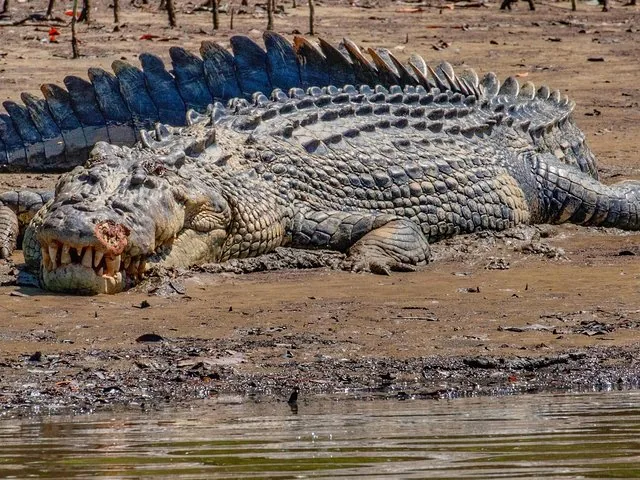
- Low tide exposes muddy banks where crocodiles sun themselves.
- Cooler mornings and late afternoons increase wildlife activity.
In this article
Estuarine crocodiles are cold-blooded reptiles that rely on the sun for warmth. Understanding their behavior helps you pick the right time for a river cruise. You want conditions that force the crocodiles out of the water and onto the banks.
What is the best season to see crocodiles?
The dry season from May to October is the best time of year.
During these cooler months, crocodiles leave the water to warm up. They sun themselves on the exposed riverbanks. In the wet season, the water is warmer, so crocodiles stay submerged and are much harder to spot.
How does the tide affect crocodile spotting?
Low tide exposes the muddy riverbanks where crocodiles bask.
When the water drops, crocodiles climb onto the mud to absorb heat. High tide covers these muddy banks. This forces crocodiles into the water or back into dense mangroves where visibility is poor.
What time of day is best for a crocodile cruise?
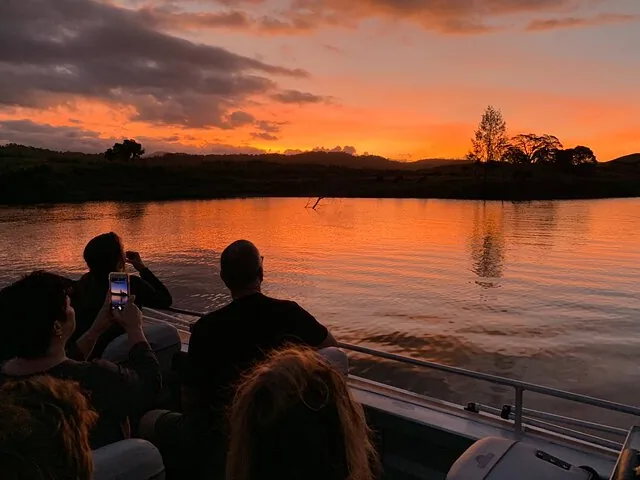
Cooler morning and afternoon hours offer the highest activity levels.
Crocodiles often bask in the sun during the early morning to warm up after a cool night. Late afternoon provides similar conditions. Midday heat often drives them back into the water to cool off.
Can you see crocodiles in the wet season?
Yes, but sightings are less frequent from November to April.
Warmer water temperatures mean crocodiles do not need to bask on the banks. They remain in the river. Spotting them requires more luck, as you usually only see their eyes and snouts above the surface.
Which section of the river is best for crocodiles?
The lower estuary near the ferry crossing provides ideal mangrove habitat.
The mix of salt and fresh water creates the perfect environment for estuarine crocodiles. Cruises departing from the ferry precinct focus on these wider estuarine sections and dense mangrove swamps.
How long do crocodile cruises take?
Most commercial wildlife cruises on the Daintree River last exactly 1 hour.
Operators run multiple trips daily. A 1-hour trip provides enough time to explore the mangrove swamps and locate basking crocodiles. Typical adult tickets start at approximately $40 AUD.
Questions travellers ask
Are there crocodiles in the Daintree River?
Yes. The Daintree River has a large population of highly dangerous estuarine crocodiles. You must never swim or wade in the river.
Do I need binoculars to see crocodiles?
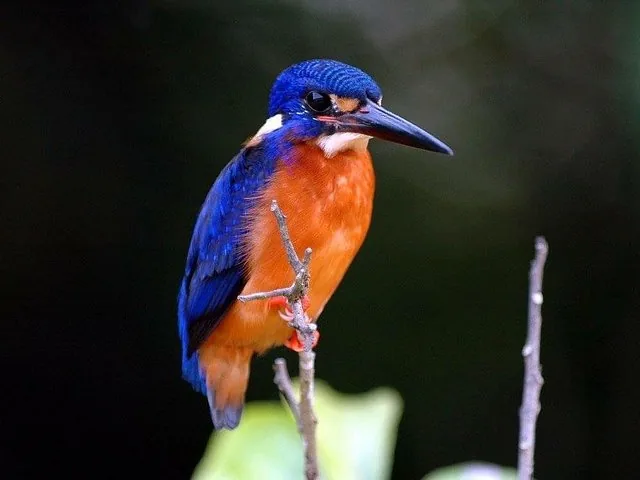
Binoculars help you spot smaller crocodiles or birds hiding in the mangroves. However, cruise operators often guide the boat close enough for clear views.
Can I feed the crocodiles?
No. Feeding crocodiles or birds is strictly prohibited and carries heavy fines. It is highly dangerous and alters their natural behavior.